
As a first time parent, everything felt new and unfamiliar. I picked up bits of knowledge from the internet, some from doctors, some from elders, and a lot through personal experience. Whether the advice we receive is right or wrong, and no matter how many people surround us with their opinions, the final decision always rests with us.
When our choices work out well, the joy is unmatched, we feel proud and accomplished as parents. But when things don’t go as planned, it is our children who bear the consequences. That’s why it is so important for every parent to carefully think things through before making decisions that affect their kids.
Lately, I have noticed how many kids are constantly glued to screen. It might be mobile phones or iPads.
They wake up to the TV, eat in front of TV, no pause, no real knowing, just static minds watching same scenes that keep showing and the cycle just keeps going. As parents, do we truly realize the negative impact excessive screen time can have on our children’s brains, eyes, and overall behavior?
A few years ago, the common concern among parents was that, TVs and mobiles could harm young children’s eyesight. While that is still true, today the issue has become far more serious. The content in many modern cartoons is now affecting not just kids vision, but also their brain development, social skills, and interactions with others. Alarming as it sounds, it’s even contributing to a growing concern known as virtual autism.
What is Virtual Autism
Few years before when the word autism was born in India, lot of us didn’t even understand what it was. It was a developmental disorder that impairs the ability to communicate and interact.
The term virtual autism has been gaining traction among parent communities, even though it isn’t officially recognized by medical professionals. It describes a pattern of behaviors and developmental delays seen in children who are exposed to excessive screen time. The common symptom of virtual autism are
Delayed Speech
Lack of Social Interaction
Limited Eye Contact
Absence of Imaginative Play
Hyperfocus on Screens
Modern Kids Shows Affects Kids Brain
Shows like Cocomelon, the overstimulating nature of television, with its flashing lights, vivid colors, and often poor quality sound can overwhelm young children’s senses, potentially disrupting their development and function.
For parents allowing their little ones to spend hours in front of screens each day, consider this a gentle warning. It’s much like introducing a powerful drug that may be incredibly hard to break later on. It’s always better to be cautious today than regretful tomorrow. Disturbingly, there are even videos circulating of toddlers, as young as two, mimicking scrolling mobile in their sleep. It is proof of just how deeply screens can imprint on young minds.
I understand that for many working parents, especially those managing work from home, television can feel like a lifesaver when trying to juggle tasks and keep kids occupied. And yes, while it might seem like a time saver in the moment, the long term impact can be far more damaging.
I have personally seen a case where a child, who had no developmental issues initially, began showing signs of speech delay after prolonged exposure to TV and mobile devices. Over time, he missed key developmental milestones, and by the time his parents realized something was wrong, he had already been significantly affected. His mother, heartbroken, eventually quit her job to focus fully on his care. She often says, if only she had noticed the signs earlier, things might have been different.
Sometimes what feels like an easy solution today can cost us dreading tomorrow.
Whether you are a working parent or a stay at home mom, it’s so important to stay closely connected with your children. Talk to them, truly listen, and be attentive to their needs. As parents, we hold the responsibility for these little humans we have brought into the world. There are so many creative, playful, and intellectually enriching ways to keep our kids engaged without relying on screens.
Fun and Meaningful Ways to Keep Kids Busy
Pretend and Play
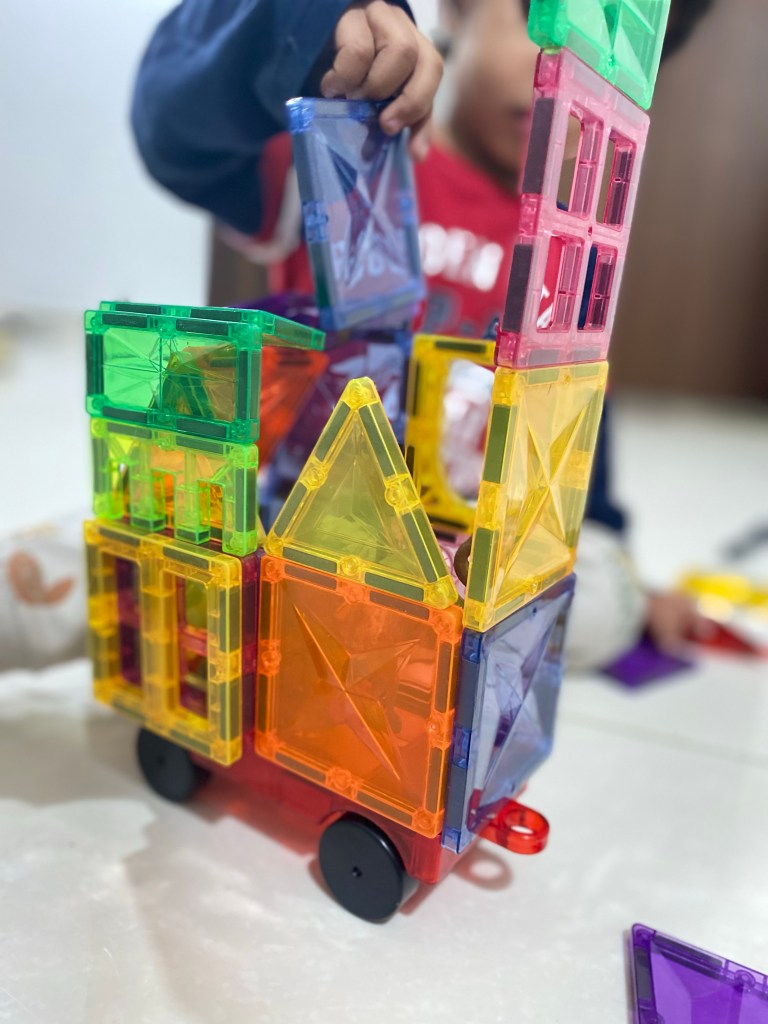
Every child loves pretend play. It is a timeless favorite across generations. I still remember when I was a kid, visiting my grandmother’s house. I would always ask her to drape me in one of her sarees, set out tiny vessels, and pretend to be her, talking like her, cooking like her, and serving just like she did. Those moments of imagination and play are truly special.
Provide safe toys for younger children and let them explore freely. Sit with them, shake the toy, roll it, and show them how to interact with it, but then, let them take over. Allow them to throw it, put it in their mouth, or even brush with it, whatever they choose. By giving them the freedom to explore, you encourage their independence, spark their imagination, and help them use both their energy and brains to figure out what to do with whatever they have in hand.
For older kids, you can set up a pretend play scenario where you are the shopkeeper and they are the customer. Arrange fruits and vegetables on a table, ask them to calculate the price, and encourage them to do some math while having fun.
Encouraging a Love for Reading
This is one of the most vital habit I would recommend parents to inculcate in their kid. There are various benefits of reading books from a very young age.
Builds concentration
Improves memory
Develops empathy
Teaches about the world
Helps build positive self-image
You can begin with board books for younger children as early as one year old. Just show them the pictures. While it may seem like reading to a one-year-old isn’t making much of an impact, they will still listen. It’s your voice, especially as their mother, that they crave. Whether you are singing a lullaby, speaking in a high pitch, or reading a book, they are absorbing it all. I remember reading my novel to my six-month-old, and although he couldn’t understand the words, he still listened and babbled along with me.
For toddlers, choose age appropriate books and start with simple ones. Buy books based on the genres they enjoy, and gradually introduce a variety of books. As they grow and develop, encourage them to start reading on their own when they are ready.
Outdoor Fun for Little Ones

I would say outdoor play is an age old way to keep kids engaged, encourage them to eat, help them make friends, and more. The outdoors is a gift from nature, offering endless opportunities to learn and grow. Take your child outside for an hour or so each day, allowing them to breathe in the fresh air, listen to the birds chirping, and feel the stones and mud around them. When they see other kids, they will be eager to join in, speaking in their own innocent language. Over time, they will form friends and begin to play independently, starting their social development from a very young age.
Stepping outside is refreshing not just for kids, but for adults too. I have such fond memories of the time I spent with my son when he was little. Our bond really grew during those outdoor moments. He used to chase after me trying to catch me, and we would play hide and seek, ball, and catch. I can still hear the joyful giggles we shared. Now, he has a group of friends and enjoys playing with them, and I am happy to simply accompany him. But, I have also made some great mommy friends, so going to the park is just as exciting for me as it is for him.
Trusted Day Care for Your Little Ones
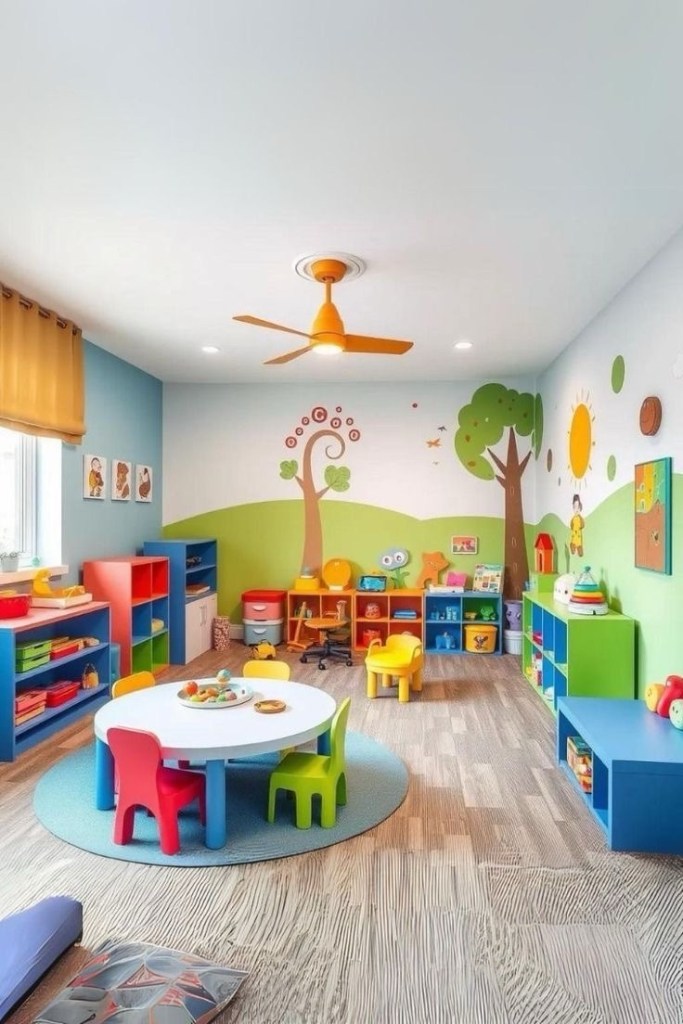
If you’re a working mom with a busy schedule and find it hard to spend much time with your child, I would recommend letting them stay with their grandparents. They can engage your little one with fun activities, laughter, play, take them to market trips, and tell some stories.
But if you don’t have the support of family, enrolling your child in a nearby daycare center can be a great option. While the thought of leaving your little one in a new environment can feel overwhelming, choosing the right center makes all the difference. Look for a warm, nurturing, and stimulating space where your child can play, learn, and engage in group activities with other kids. With attentive caregivers and opportunities to build friendships, children often grow to love their daycare and look forward to spending time there.
I enrolled my son in a daycare center within our community when he was quite young, just for an hour a day to help him develop social skills. It was heartwarming to see him play happily, surrounded by new faces instead of just seeing mine all day. Kids enjoy variety too!
As someone who has also visited daycare centers professionally for storytelling sessions, I have seen firsthand how children interact, make friends, and truly enjoy themselves. It’s beautiful to witness how these spaces can feel safe and comforting to little ones, even in their mother’s absence.
Modern parenting isn’t just about giving, being flexible, or embracing new-age methods in raising children . It is equally about knowing what not to give, where not be flexible. It means being mindful of the boundaries we set, the habits we encourage, and ensuring we don’t unintentionally spoil our children in the name of love or convenience. True parenting lies in striking that delicate balance between nurture and responsibility.
Xoxo,
Mita

 Mita's leeway